
Productivity isn’t about doing more, waking up earlier, or filling every hour of your day. True productivity is about clarity, intention, and systems that support your real life.
If you’ve ever felt overwhelmed by your to-do list, frustrated with planners that don’t stick, or stuck in a cycle of starting strong and falling off, you’re not alone. Most people don’t struggle because they’re lazy — they struggle because they were never taught how to plan in a way that actually works.
This ultimate guide to productivity and planning is designed to be your central resource — a place you can return to whenever life feels chaotic and you need a reset.
In this guide, you’ll learn:
- What productivity really means (and why most advice fails)
- How to create daily, weekly, and monthly planning systems
- Which routines actually reduce overwhelm
- How habits support productivity
- What tools help — and which ones don’t
- How to build a productivity system you can maintain long term
What Productivity Really Means (And Why Most Advice Fails)
Most productivity advice focuses on output — doing more, faster. But real productivity is about alignment.
True productivity means:
- Knowing what actually matters
- Spending time intentionally
- Reducing mental clutter
- Creating systems that work even on hard days
Many people fail at productivity because they rely on motivation instead of structure. Motivation fades. Systems remain.
When your productivity system is solid, you don’t need to feel inspired every day — you simply follow the structure you’ve already created.
What is Productivity and How to Apply it Daily
Mastering Productivity: Work Smarter, Achieve More

Productivity vs. Busyness: Why Being Busy Isn’t the Same as Being Productive
One of the biggest misconceptions about productivity is that being busy equals being productive. In reality, busyness often hides a lack of clarity.
Busyness looks like:
- Constantly reacting to notifications
- Jumping from task to task
- Filling every moment with activity
- Ending the day exhausted but unsatisfied
Productivity, on the other hand, looks like:
- Intentional focus
- Clear priorities
- Fewer but more meaningful tasks
- Progress toward long-term goals
When your planning system isn’t clear, it’s easy to confuse movement with momentum. True productivity creates forward progress, not just motion.
How to Increase Productivity and Get Results in Less Time
10 Proven Ways to Boost Your Productivity and Achieve More
The Foundation of Productivity: Simple Planning Systems
Planning is the backbone of productivity — but only when it’s simple and realistic.
A strong planning system helps you:
- See your priorities clearly
- Reduce decision fatigue
- Stop reacting and start acting intentionally
- Create consistency without rigidity
The goal of planning is not to control every minute of your day. The goal is to give your future self clarity.
Instead of overloading your planner, focus on a system that supports:
- Daily focus
- Weekly structure
- Monthly direction
The Simple Planning System We Swear By
8 Steps to Planning and Organizing Effectively
Daily Productivity: How to Plan Your Day Without Overwhelm
Daily planning is where most people overcomplicate things.
A productive day does not require:
- A packed schedule
- Endless to-do lists
- Perfection
Instead, effective daily planning focuses on:
- 3–5 priority tasks
- Energy-aware scheduling
- Flexibility
One of the simplest ways to improve daily productivity is to plan the night before or first thing in the morning, choosing what truly matters instead of reacting to everything.
How to Plan Your Day: A Comprehensive Guide to Enhanced Productivity
Time Blocking 101: How to Maximize Productivity and Organize Your Daily Schedule
Weekly Planning: The Reset That Changes Everything
Weekly planning is one of the most powerful productivity habits you can build.
A weekly reset allows you to:
- Review the past week
- Prepare for what’s coming
- Reduce Sunday-night anxiety
- Start the week feeling calm and in control
A strong weekly planning routine often includes:
- Reviewing your calendar
- Resetting key areas of your home or workspace
- Planning meals and errands
- Choosing weekly priorities
The Ultimate Sunday Reset Routine for Productivity & Organization
Unlocking Productivity: The Power of a Weekly Planner Printable
Monthly & Long-Term Planning: Staying Focused on What Matters
Without long-term planning, it’s easy to stay busy but feel stuck.
Monthly planning helps you:
- Align daily actions with bigger goals
- Prevent overcommitting
- Track progress realistically
- Adjust expectations before burnout happens
At the beginning of each month, review:
- Upcoming commitments
- Goals and priorities
- What worked last month
- What needs to change
How to Plan Your Month More Effectively (In Simple, Smart Steps)
How to Set Weekly Goals to Change Your Life
Productivity Habits That Make Everything Easier
Your habits are the foundation that support your systems.
Highly productive people don’t rely on discipline alone — they rely on habits that reduce friction.
Helpful productivity habits include:
- Weekly planning
- Habit stacking
- Consistent routines
- Limiting decision-making
Small habits done consistently are far more powerful than dramatic changes that don’t last.
10 Easy and Effective Habits of Highly Organized People to Boost Productivity
The Power of Tiny Habits: Making Big Changes with Small Steps
101 Transformative Habits for a Fulfilling and Purposeful Life
Staying Productive at Work and at Home
Productivity looks different depending on your season of life.
Whether you work from home, manage a household, or juggle both, your systems should support your reality — not fight it.
Strategies that help:
- Creating designated work zones
- Setting clear boundaries
- Planning tasks based on energy, not time
- Separating “thinking work” from “doing work”
15 Strategies to Increase Productivity at Work
10 Proven Ways to Maximize Your Productivity While Working From Home
10 Strategies to Keep Your Small Business Organized
Productivity in Different Seasons of Life
Productivity is not one-size-fits-all. What works in one season may fail in another — and that’s normal.
Your productivity system should adapt to:
- Busy work seasons
- Parenting seasons
- Health changes
- Emotional or mental load
- Life transitions
Instead of forcing productivity, focus on supportive systems:
- Lighter schedules during heavy seasons
- Fewer goals when energy is low
- Stronger routines when life feels chaotic
Sustainable productivity honors your capacity, not just your ambition.
Why Self-Care is Essential for Work-Life Balance
How to Achieve Work-Life Balance Without Sacrificing Your Career
Tools That Support Productivity (Without Overcomplicating Things)
The right tools can enhance productivity — but too many tools can hurt it.
The best productivity tools:
- Reduce friction
- Support your systems
- Are easy to maintain
These may include:
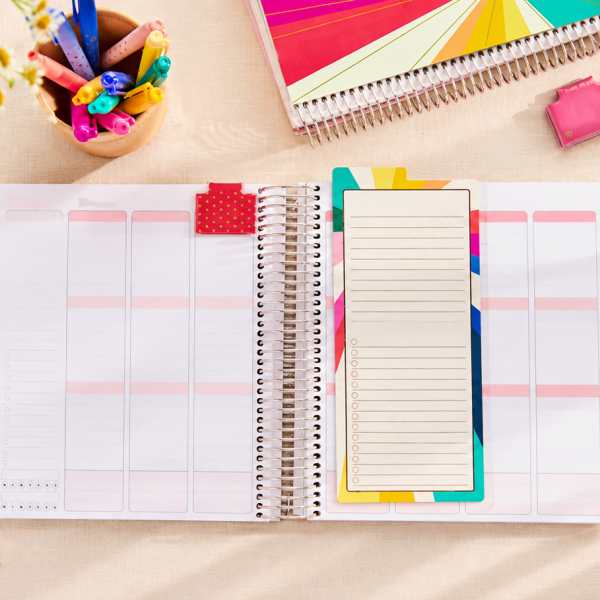
- Planners and calendars
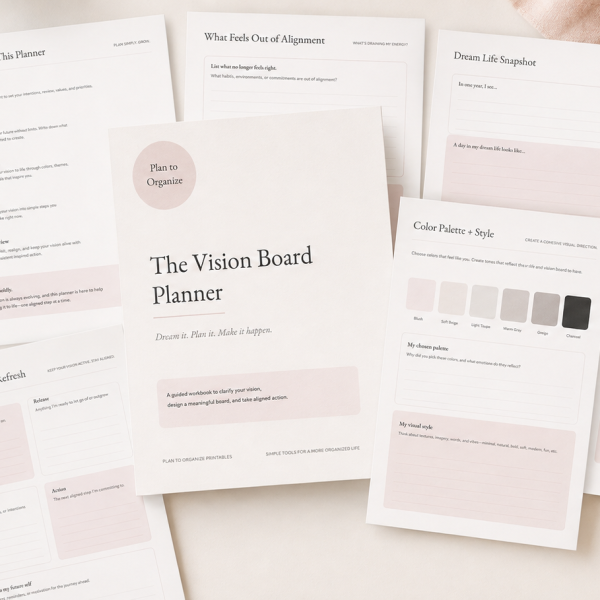
- Weekly and daily printables
- Habit trackers
- Digital tools used intentionally
Free Productivity Planner Printable
Best Planners for Women: Top 10 Productivity Planners
Erin Condren Planner Review
Day Designer Planner Review
Common Productivity Mistakes That Hold People Back
If productivity feels hard, it’s often because of:
- Overplanning
- Unrealistic expectations
- Trying to do too much at once
- Comparing yourself to others
Productivity should feel supportive, not punishing.
How to Stop Overthinking and Build Unshakable Confidence
Top 10 Decluttering Mistakes (And How to Fix Them)
Productivity Systems vs. Motivation: Why Systems Always Win
One of the biggest myths about productivity is that you need to feel motivated to be productive. In reality, motivation is unreliable — it comes and goes based on energy, mood, and circumstances.
Productive people don’t rely on motivation. They rely on systems.
A productivity system works even when:
- You’re tired
- You’re overwhelmed
- You’re not in the mood
- Life feels chaotic
This is why systems matter more than discipline or willpower. When decisions are already made — when routines are already in place — productivity becomes automatic instead of emotional.
A strong productivity system:
- Tells you what to focus on without thinking
- Reduces procrastination
- Prevents burnout
- Creates consistency over time
Instead of asking “What should I do today?” your system answers that question for you.
This might look like:
- A weekly planning routine that sets priorities in advance
- A daily planning habit that limits tasks to what’s realistic
- A designated workspace that signals focus
- A simple checklist instead of a complicated plan
When productivity feels hard, the solution usually isn’t trying harder — it’s simplifying the system.
This shift alone is often what helps people finally stay consistent with planning and organization.
How to Build Your Own Productivity System (Step-by-Step)
The most effective productivity system is one you can maintain even on imperfect days.
Step 1: Choose One Primary Planning Method
Pick one main system:
- Paper planner
- Digital planner
- Hybrid system
Avoid mixing multiple systems — this creates confusion and overwhelm.
Best Planners for Women: Top 10 Productivity Planners
Step 2: Establish a Weekly Reset
Your weekly reset is the anchor of your entire system.
During your reset:
- Review last week
- Plan upcoming tasks
- Reset key spaces
- Prepare mentally for what’s ahead
The Ultimate Sunday Reset Routine for Productivity & Organization
Step 3: Build Supportive Daily Habits
Choose 2–3 habits that make productivity easier, such as:
- Daily planning
- Evening reset
- Habit stacking routines
These habits should feel manageable — not overwhelming.
7 Simple Hacks to Help You Stick to Your Habits
Step 4: Use Tools Intentionally
Tools should serve your system, not replace it.
Ask yourself:
- Does this tool reduce friction?
- Does it simplify my life?
- Will I still use this in 3 months?
The Best Desk Organizers and Workspace Essentials for 2026
Step 5: Review and Adjust Regularly
Your productivity system should evolve.
Once a month:
- Review what’s working
- Remove what feels heavy
- Adjust expectations
Progress comes from refinement, not perfection.
Reset and Reflect: Organize and Set Goals for the New Year
How Productivity and Organization Work Together
Productivity and organization are often treated as separate topics, but in reality, they’re deeply connected.
Disorganization creates friction. Productivity removes it.
When your physical and digital environments are cluttered, productivity becomes harder because:
- You waste time looking for things
- You feel mentally overwhelmed
- Small tasks take longer than necessary
- Decision fatigue increases
Organization supports productivity by creating ease.
Examples of how organization boosts productivity:
- An organized workspace reduces distractions
- An organized planner eliminates second-guessing
- Organized digital files save time and mental energy
- Organized routines create predictable flow
You don’t need a perfectly organized life to be productive — but you do need functional organization.
This means focusing on systems that support action, not perfection:
- Clear surfaces, not empty rooms
- Simple filing systems, not complex folders
- Routines that repeat, not plans you constantly redesign
When organization and productivity work together, you stop feeling like you’re constantly catching up. Instead, your days feel more intentional and manageable.
This is why the most effective productivity plans always include:
- Planning systems
- Organizational routines
- Habit support
- Regular resets
When your environment supports your goals, productivity becomes far easier to maintain.
Frequently Asked Questions About Productivity & Planning
What is the best productivity system for beginners?
A simple daily and weekly planning system with clear priorities is best.
How many tasks should I plan per day?
Most people function best with 3–5 priority tasks.
Is digital or paper planning better?
The best system is the one you’ll actually use consistently.
How long should weekly planning take?
Most weekly planning routines take 20–30 minutes.
How do I stay productive when motivation is low?
Systems and routines matter more than motivation. Focus on structure, not willpower.
What’s the biggest productivity mistake people make?
Trying to do too much at once instead of focusing on what matters most.
Can productivity systems reduce stress?
Yes — when done correctly, planning systems reduce mental clutter and anxiety.
Final Thoughts: Productivity Is a Skill You Can Learn
Productivity isn’t something you’re born with — it’s something you build.
With the right systems, routines, and tools, you can:
- Feel less overwhelmed
- Make progress consistently
- Stay organized long term
This guide is your foundation. Bookmark it, return to it, and use it as your productivity roadmap.
Optional Next Step
Explore the Simple Planning System That Actually Works



Leave a Reply